


New Report Warns Offshore Oil Exploration Could Endanger Jamaica’s Marine Ecosystems
KINGSTON, Jamaica — A newly released report by environmental research organisation Earth Insight is raising concerns that offshore oil and gas exploration in Jamaica’s Walton-Morant block could pose significant risks to some of the country’s most important marine ecosystems.
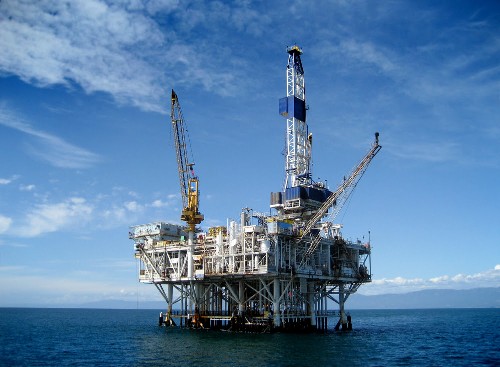 The report, Fossil Fuel Threats to the Ocean: Marine Life and Coastal Communities at Risk, was produced in collaboration with the Jamaica Environment Trust (JET) and 10 other civil society organisations from around the world. Its findings suggest that the proposed exploration area overlaps with critical habitats that support Jamaica’s biodiversity, fisheries, tourism industry and coastal communities.
According to JET, geospatial analysis conducted for the report indicates that the Walton-Morant block and its associated risk zones intersect with nearly all of Jamaica’s coral reefs, seagrass beds and key fishing grounds along the south coast. These ecosystems have long provided food, livelihoods and economic opportunities for generations of Jamaicans.
The report was released ahead of World Oceans Day on June 8 and the Our Ocean Conference, an international forum on ocean conservation scheduled for June 16–18 in Mombasa, Kenya.
Researchers identified the Walton-Morant block as Jamaica’s most promising hydrocarbon prospect. While exploration activities remain at an early stage, the analysis found that the project’s mapped risk zone overlaps approximately 11,070 square kilometres of ecologically or biologically significant marine areas (EBSAs)—an area nearly the size of Jamaica itself.
The report also notes that Jamaica’s Exclusive Economic Zone contains about 60,159 square kilometres of EBSAs, meaning that nearly 18 per cent of the nation’s most environmentally important marine habitats could potentially be affected by future oil and gas development associated with the project.
“Jamaica’s marine ecosystems are already under pressure from climate change, pollution and overfishing,” said Dr. Theresa Rodriguez-Moodie, Chief Executive Officer of the Jamaica Environment Trust.
While acknowledging that offshore activities are currently limited to exploration, Rodriguez-Moodie warned that the initiative could open the door to future extraction projects in some of the country’s most ecologically valuable waters.
“Instead of pushing for oil and gas expansion, we must focus on protecting our oceans and investing in healthy ecosystems, resilient communities and sustainable livelihoods,” she said.
Among the report’s most significant findings is that the Walton-Morant risk zones overlap with approximately 99 per cent of Jamaica’s south coast coral reefs and 97 per cent of its seagrass habitats. Environmental advocates argue that any damage to these ecosystems could have serious implications for marine biodiversity, fisheries, tourism and the livelihoods of thousands of people who depend on healthy coastal resources.
The report calls for greater consideration of the environmental risks associated with offshore fossil fuel development and urges policymakers to prioritise ocean conservation and sustainable economic alternatives as Jamaica charts its future energy strategy.

