


WASHINGTON, DC – With the 2026 Atlantic hurricane season now underway, the Pan American Health Organisation (PAHO) is urging countries to review contingency plans and strengthen preparedness measures to safeguard health systems from hurricanes, floods, landslides, and other extreme weather events.
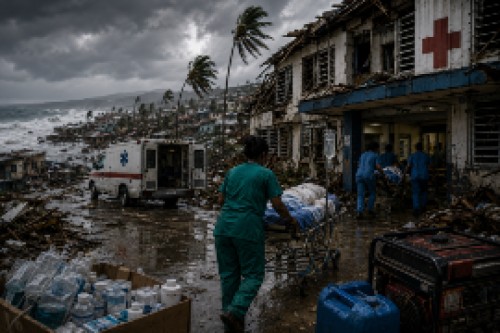 While forecasts suggest the 2026 season, which started June 1, may be less active than in recent years, PAHO warned on Friday that even a single powerful storm can significantly disrupt health services and pose serious risks to public health.
“Extreme hydrometeorological events remain a constant threat across the Americas,” said Leonardo Hernández, Head of PAHO’s Emergency Operations Unit. “Preparing health systems before an emergency occurs is essential to protect lives, maintain access to critical services, and reduce the impact on the most vulnerable populations.”
Beyond infrastructure damage and disruptions to essential services, PAHO said hurricanes and flooding can increase the risk of waterborne diseases, vector-borne diseases, respiratory illnesses, injuries, and mental health impacts.
It said health emergencies caused by extreme weather events can also place additional pressure on already stretched health systems.
PAHO is encouraging Caribbean and other countries to ensure that health facilities have updated contingency plans, trained personnel, and coordination mechanisms that can support the continuity and rapid recovery of essential health services following an emergency.
The organisation also recommends strengthening surveillance systems and community-based monitoring to facilitate the early detection of health risks associated with hydrometeorological events.
PAHO pointed to forecasts from the US National Oceanic and Atmospheric Administration (NOAA), which states that the 2026 Atlantic hurricane season is expected to be below normal, partly due to the development of El Niño conditions.
“El Niño, characterized by warmer-than-average sea surface temperatures in the Pacific Ocean, typically suppresses tropical cyclone formation in the Atlantic basin,” PAHO said.
However, it said El Niño can also alter rainfall and temperature patterns across the Americas, including the Caribbean, increasing the likelihood of droughts, heavy rainfall, flooding, and landslides in different subregions.
PAHO said that the need for preparedness is particularly important given the current epidemiological situation in the Americas, including ongoing outbreaks of measles and yellow fever, as well as the need to maintain readiness for emerging and re-emerging public health threats.
It said simultaneous emergencies can strain health systems and reduce their ability to respond effectively to sudden increases in demand during and after extreme weather events.
To support countries in their preparedness efforts, PAHO said it will convene a virtual regional readiness meeting on June 11 with representatives from ministries of health and national disaster risk management agencies across the Americas.
PAHO said the meeting will focus on strengthening protocols and procedures related to health service management, epidemiological surveillance, and emergency operations, while incorporating lessons learned from previous emergencies.
The meeting will also support implementation of the World Health Organisation (WHO) National Health Emergency Preparedness, Alert and Response Framework (2025), “which promotes a multi-hazard approach based on five core systems: collaborative surveillance, community protection, safe and scalable care, access to countermeasures, and emergency coordination”, PAHO said.

