


US Allows Venezuelan Government to Fund Maduro’s Legal Defense
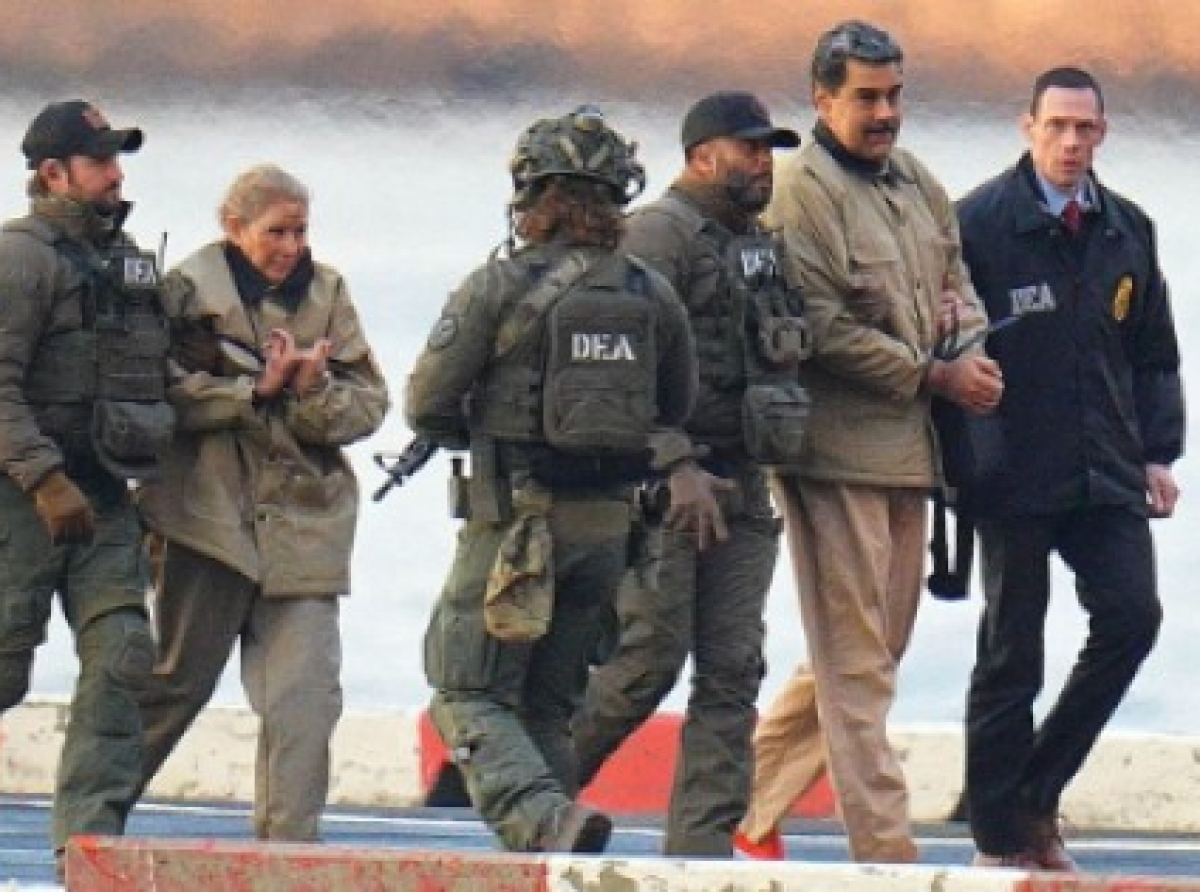
NEW YORK, New York – The United States has agreed to permit the Venezuelan government to finance the legal defense of ousted President Nicolás Maduro, resolving a weeks-long dispute that had threatened to derail one of the most high-profile international criminal cases in recent years.
In a joint letter submitted late Friday to a federal judge in New York, prosecutors and defense attorneys confirmed that the US Treasury Department amended a sanctions license to allow payments to lawyers representing Maduro and his wife, Cilia Flores. Both have pleaded not guilty to charges that include drug trafficking and weapons offenses.
Under the revised arrangement, defense attorneys may receive funds from the Venezuelan government, provided the payments come from money available after March 5, 2026, and comply with specific conditions outlined by US authorities.
The dispute centered on US sanctions imposed on both Maduro and Venezuela, which require special authorization from the Treasury Department’s Office of Foreign Assets Control (OFAC) for any financial transactions. Maduro’s attorney, Barry Pollack, had argued that the government initially approved — then abruptly revoked — such authorization, undermining his client’s constitutional right to legal representation.
Prosecutors maintained that the reversal was due to an “administrative error” and insisted that the defendants could use personal funds. However, the defense countered that Maduro and his wife lacked access to such resources, intensifying the legal impasse.
The disagreement prompted defense lawyers to seek dismissal of the indictment, claiming that US actions were obstructing their ability to mount an effective defense against allegations tied to a narco-terrorism conspiracy. During a court hearing last month, prosecutors argued that sanctions serve broader foreign policy goals and are justified in restricting access to funds.
Presiding Judge Alvin Hellerstein expressed skepticism about that position, noting that Maduro and Flores are already in federal custody and do not pose an ongoing threat. Following the Treasury’s decision to amend the license, defense attorneys have since withdrawn their legal challenge.
Maduro and his wife remain detained at the Metropolitan Detention Center in Brooklyn as the case proceeds. Their legal team is expected to continue contesting the charges, including potential arguments that Maduro is immune from prosecution for actions taken while he was Venezuela’s president.
Maduro, first elected in 2013, has not been recognized as Venezuela’s legitimate leader by the United States and several other countries since 2019. In March, the US government formally recognized former vice president Delcy Rodríguez as the country’s leader.

