


GEORGETOWN, Guyana – The Guyana-based Caribbean Community (CARICOM) Secretariat Wednesday said it is offering a three-level crop protection training programme aimed at building knowledge and practical capacity across the food production and processing sector in the region.
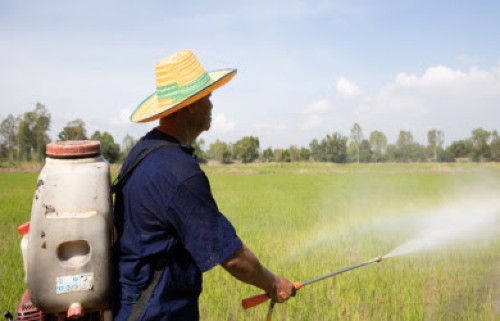 It said that the programme, which will begin on January 26, will also support safer, more effective, and more sustainable pest management practices.
The Secretariat said that the training programme is being held as CARICOM builds capacity to achieve the goals of its food security initiative – Vision 25 x 2025 + 5 that is aimed at reducing the region’s food import bill by 25 per cent.
CARICOM said it intends to achieve the goal by boosting regional agriculture, improving trade, and creating economic opportunities, focusing on priority products and climate-smart farming, supported by investments in infrastructure such as transport and storage.
The programme is being conducted in collaboration with the Trinidad-based Caribbean Agricultural Research and Development Institute (CARDI) and COLEAD, a private sector not-for-profit organisation that is devoted to inclusive and sustainable agriculture.
“The course is designed to meet the needs of professionals such as farm managers, horticultural producers; production managers, nurseries managers, crop protection managers, packing managers, service providers, and expert trainers,” the CARICOM Secretariat said, adding that participants will benefit from progressive learning via introductory concepts to advanced integrated pest management strategies across three levels.
It said that the introductory level introduces the concept of crop protection, helping learners understand key issues, categories of plant pests and diseases, and the role of chemical control within a crop protection strategy.
”The intermediate level deepens understanding of pest management by exploring harmful organisms, pest population dynamics, epidemiology, plant diseases, weed competition, and herbicide resistance, with a focus on maximising field and post-harvest yields.
”The advanced level focuses on improving pest population management on farms through observation and sampling methods, intervention thresholds, integrated pest management techniques, and case-study-based strategy development.”

