


'Say it Loud'! - This Musical Hit Escalated Racial Pride and Joy in America
They teased him mercilessly. Because of the dark complexion of his skin, they called him names like “Stovepipe” and “Smokey.” On the school bus, on the playground, in the cafeteria, he couldn’t escape their cruel taunts.
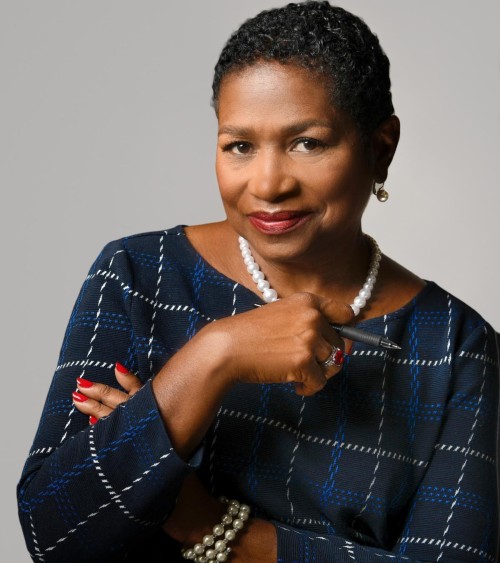 Hazel Trice EdneyI witnessed some of it personally. His name was Leroy. I was only about 8 years old at the time. I was confused as I watched the heart-breaking behavior; especially since these weren’t White children doing the bullying. They were other Black children.
But then something happened that impacted the lives of Black people of all ages across America – even the bullies. In a season of mass confusion around the nation, it gave us a new view of ourselves, a new sense of pride in our varied complexions – regardless of how dark or how light. This event caused us to realize that our various skin colors should be a cause for unity; not a cause for separation.
The event happened just up from the historic civil rights movement, only four months after the tragic assassination of Dr. Martin Luther King, Jr. on April 4, 1968. Rising from cities ruined by riots in protest of the assassination, radio stations and entertainment television shows began blaring a new tune. It was written by the famous “godfather of soul”, James Brown, and his bandleader Alfred "Pee Wee" Ellis. The life-changing event was the release of the historic musical masterpiece, “Say it Loud! I’m Black and I’m Proud!”
The song - mostly a chant - swept through the Black community like a fire storm. Leroy and millions of other victims of colorism lifted their heads and were taunted no more. The lyrics – a call and response to a funky dance beat - started, “Uh! With your bad self! Say it loud! I'm black and I'm proud! Say it loud! I'm black and I'm proud!”
It continued, “Some people say we've got a lot of malice. Some say it's a lot of nerve. But I say we won't quit moving until we get what we deserve. We have been 'buked and we have been scorned. We've been treated bad, talked about as sure as you're born. But just as sure as it takes two eyes to make a pair, ha, Brother, we can't quit until we get our share. Say it loud! I'm black and I'm proud! Say it loud! I'm black and I'm proud! One more time! Say it loud! I'm black and I'm proud!”
When the song hit the public airwaves or record players at home, people hollered back the reframe, “I’m Black and I’m Proud!” Many jumped to their feet, twisting and sliding rhythmically across the floor, imitating the iconic James Brown dance moves to the soulful beat as they chanted the words.
Famous musicians and civil rights leaders recalled the impact of the song in an Apollo Theater Facebook video:
“James Brown’s ‘I’m Black and I’m Proud’ – it was an affirmation of self-respect. And it was a challenge to others to respect themselves and to respect him,” said former Atlanta Mayor Andrew Young, a foot soldier who had marched alongside Dr. King.
Fred Wesley, a trombonist who worked with James Brown during the 60s and 70s, remembered how “Everybody was trying to think of what to say about Martin Luther King getting shot, about the situation in America, the Civil Rights Movement.
Everybody just wanted to know how to capsulize it. And so, when James Brown said, ‘Say it loud. I’m Black and I’m proud,’ that said it. That’s it. That’s it.”
National Action Network founder/President Al Sharpton, who has long credited James Brown as a mentor, said the song freed Black people into a season of pride like none other. Even more than about pride in racial complexion, it was about pride as a race of people and pride in what Black people had brought to and given to America.
“The words were magical,” Sharpton concluded. “I mean that was the ultimate emancipation.”

